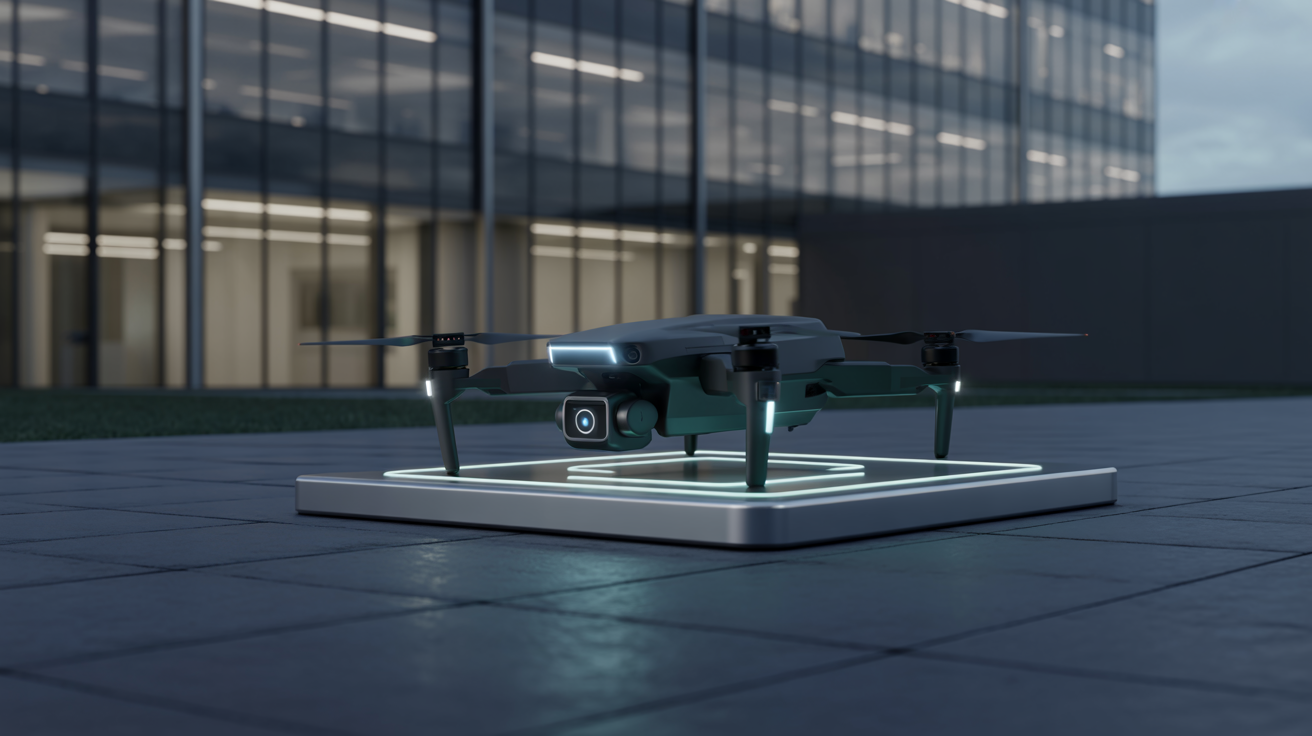
Implementing an autonomous drone surveillance system requires careful planning and execution. This comprehensive guide walks you through every step of deployment to ensure maximum security effectiveness and return on investment.
Phase 1: Assessment and Planning
1. Property Analysis
▸Map total acreage and key security zones
▸Identify critical assets requiring protection
▸Note terrain features, obstacles, and restricted areas
▸Assess existing security infrastructure
▸Document current security challenges and incidents
2. Requirements Definition
▸Define security objectives and success metrics
▸Determine required coverage areas and patrol frequency
▸Identify integration needs with existing systems
▸Establish budget and timeline constraints
▸Consider regulatory and compliance requirements
3. System Design
▸Calculate required number of drones and docking stations
▸Plan optimal docking station locations for coverage
▸Design patrol routes and scheduling
▸Determine camera and sensor requirements
▸Plan network infrastructure and connectivity
Phase 2: Installation
1. Site Preparation
▸Prepare docking station locations (power, network, weather protection)
▸Install charging infrastructure
▸Set up network connectivity (WiFi, 4G/5G, satellite)
▸Create no-fly zones and geofencing boundaries
▸Ensure proper drainage and protection from elements
2. Hardware Setup
▸Install docking stations and charging systems
▸Configure and test drones
▸Install backup power systems
▸Set up monitoring and control center equipment
▸Test all hardware connections and failsafes
3. Software Configuration
▸Configure AI models and detection parameters
▸Program patrol routes and schedules
▸Set up alert rules and notification channels
▸Integrate with existing security systems
▸Configure user accounts and access permissions
Phase 3: Testing and Optimization
1. System Testing
▸Conduct test flights of all patrol routes
▸Verify detection accuracy for various scenarios
▸Test failsafe and emergency return protocols
▸Validate alert delivery and response procedures
▸Stress test under different weather conditions
2. Optimization
▸Adjust camera angles and detection zones
▸Fine-tune AI sensitivity to minimize false positives
▸Optimize flight paths for coverage and battery life
▸Refine alert rules based on test results
▸Adjust patrol schedules for maximum effectiveness
3. Training
▸Train security staff on system operation
▸Practice alert response procedures
▸Educate on basic troubleshooting
▸Review policies and protocols
▸Conduct emergency scenario drills
Phase 4: Launch and Monitoring
1. Phased Rollout
▸Start with limited coverage areas
▸Gradually expand to full property coverage
▸Monitor performance metrics closely
▸Gather feedback from security team
▸Make adjustments based on real-world performance
2. Ongoing Optimization
▸Review incident reports and system logs
▸Refine detection parameters
▸Update patrol routes as needs change
▸Incorporate software updates and new features
▸Conduct regular maintenance and inspections
3. Performance Monitoring
▸Track key metrics (uptime, incidents detected, response times)
▸Generate regular performance reports
▸Compare against pre-deployment baseline
▸Calculate ROI and cost savings
▸Identify opportunities for system expansion
Common Challenges and Solutions:
Challenge: Weather interference
Solution: Implement intelligent weather monitoring and automatic flight delays
Challenge: Battery life limitations
Solution: Optimize flight routes, use multiple drones in rotation
Challenge: False alarms
Solution: Continuously refine AI parameters, use multi-factor confirmation
Challenge: Network connectivity issues
Solution: Implement redundant connectivity (WiFi + cellular + satellite)
Challenge: Regulatory compliance
Solution: Work with experienced providers who understand local regulations
Success Metrics:
Track these KPIs to measure deployment success:
▸System uptime percentage
▸Incidents detected vs. missed (false negatives)
▸False alarm rate
▸Average response time to alerts
▸Coverage area achieved
▸Cost per acre monitored
▸ROI compared to previous security methods
Long-term Considerations:
▸Plan for system expansion as needs grow
▸Budget for ongoing maintenance and upgrades
▸Stay current with regulatory changes
▸Participate in software update programs
▸Build relationships with support teams
▸Document lessons learned for future optimization
Successful autonomous drone deployment transforms property security from reactive to proactive. With proper planning and execution, organizations achieve comprehensive coverage, faster threat response, and significant cost savings while reducing reliance on traditional security methods.