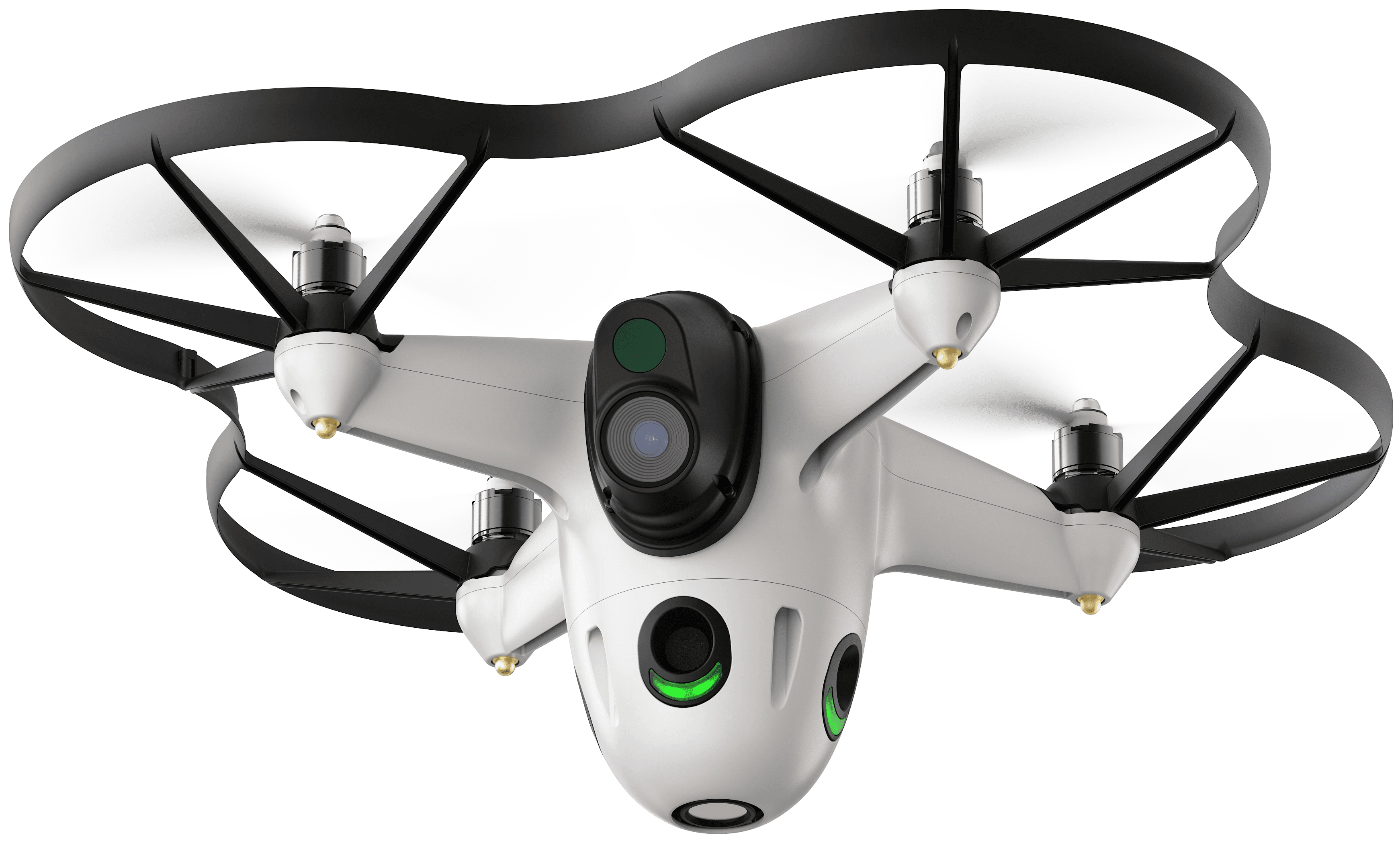
Integrating Drone Surveillance with Existing Security Systems
Seamlessly integrate autonomous drones with CCTV, access control, and alarm systems for unified security operations.
Most properties already have security infrastructure: CCTV cameras, access control systems, alarm systems, and security personnel. Adding drone surveillance raises a key question: how do you integrate new technology with existing systems?
The answer: properly integrated drone systems amplify existing security while maintaining operational continuity.
Why Integration Matters
Drone surveillance is powerful but most effective as part of comprehensive security:
Together, these create layered security superior to any single technology.
Integration Architecture
A properly integrated security system functions as a unified ecosystem:
Data Layer
All security data flows to central integration platform:
Intelligence Layer
AI analyzes integrated data:
Response Layer
Security teams access unified dashboard:
Key Integration Points
1. Alert Correlation
When sensors detect threats, the system automatically:
Example: Door access alert
1. Access control system detects unauthorized door opening
2. System immediately requests drone or nearest camera feed
3. Video confirms threat or identifies false alarm
4. Security responds with full situation awareness
2. Automated Response Activation
Different threats trigger coordinated responses:
Perimeter breach:
Fire detection:
Personnel distress:
3. Data Sharing
Drone systems integrate with existing platforms:
4. Communication Integration
Drones share information with personnel:
Integration Challenges and Solutions
Challenge 1: Different Vendors
*Problem:* CCTV from Company A, access control from Company B, drones from Company C—they don't naturally communicate
*Solution:* Use integration platforms (middleware) that speak multiple languages:
Challenge 2: Bandwidth Limitations
*Problem:* Multiple video feeds consume significant network bandwidth
*Solution:* Smart video management:
Challenge 3: System Complexity
*Problem:* More systems = more to manage, train, and troubleshoot
*Solution:* Proper training and documentation:
Challenge 4: Privacy and Data Security
*Problem:* Integrated systems store sensitive data from multiple sources
*Solution:* Comprehensive security approach:
Implementation Roadmap
Phase 1: Assessment (2-4 weeks)
Phase 2: Planning (2-4 weeks)
Phase 3: Implementation (4-8 weeks)
Phase 4: Optimization (Ongoing)
Measurable Benefits
Properties with integrated security systems achieve:
Real-World Example
A 100-acre commercial facility integrated drone surveillance with existing CCTV, access control, and alarm systems. When a dock door was forced open at 2 AM:
1. Access control detected unauthorized opening
2. Alarm system triggered
3. Drone automatically deployed to location
4. CCTV feeds from nearest cameras displayed
5. Security watched real-time drone video
6. Intruders were observed and apprehended before entering facility
7. Complete incident documentation available for police and insurance
Without integration, this would have taken 10+ minutes to respond. With integration, response was immediate.
The Integrated Security Advantage
Drone surveillance isn't a replacement for existing systems—it's a force multiplier. Properly integrated with CCTV, access control, alarms, and personnel, drones provide comprehensive security that no single technology can match.
The investment in integration typically pays for itself through reduced false alarms, faster response, and prevented incidents within 6-12 months.
Ready to Secure Your Property?
Discover how Springfield Overwatch's AI-powered drone surveillance can transform your security operations.