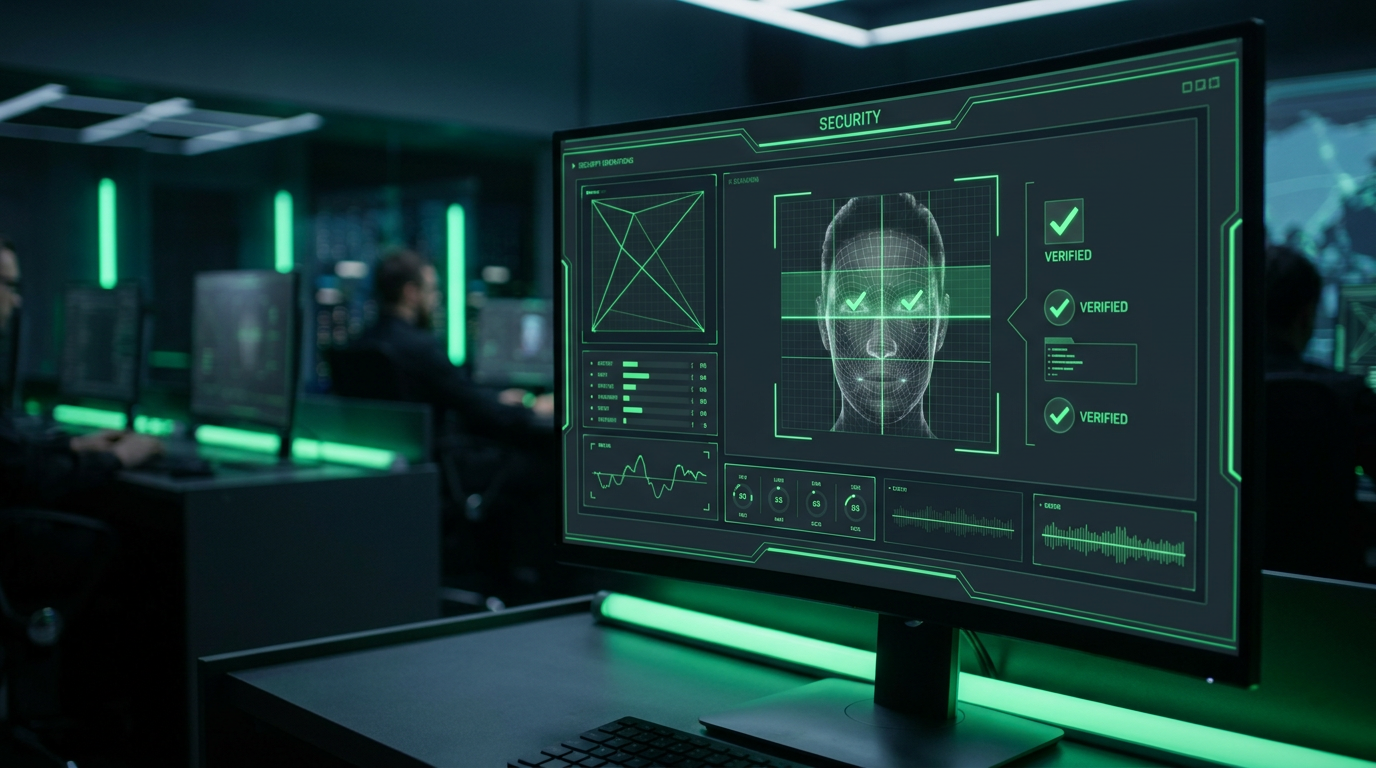
Face Recognition in Modern Security: Benefits and Implementation
Examining the role of facial recognition technology in autonomous surveillance systems and its impact on property security effectiveness.
Facial recognition technology has evolved from science fiction to practical security tool. When integrated with autonomous drone surveillance, it provides powerful capabilities for access control, threat detection, and incident investigation.
How Modern Face Recognition Works:
Advanced computer vision algorithms detect human faces in video streams. Deep learning models extract unique facial features (biometric template). Templates are compared against databases of known individuals. Matches trigger automated responses based on the person's status (authorized, visitor, person of interest, unknown).
Key Security Applications:
1. Access Authentication
Verify identity of employees and authorized personnel without requiring badges or keys. Detect when unauthorized individuals attempt to enter restricted areas. Create frictionless access for authorized personnel while maintaining security.
2. Threat Detection
Identify banned individuals or persons of interest. Alert security teams immediately when flagged individuals are detected. Track movement patterns of detected threats throughout the property.
3. Visitor Management
Automatically log visitor arrivals and departures. Verify visitor identity against pre-registration. Detect when visitors enter unauthorized areas.
4. Incident Investigation
Quickly identify individuals present during security incidents. Generate comprehensive reports of person movements and interactions. Provide evidence for law enforcement and legal proceedings.
5. Employee Safety
Verify that employees have safely exited during emergencies. Detect if authorized personnel are in distress or being coerced. Monitor high-risk areas for lone worker situations.
Advantages of Drone-Mounted Systems:
Drone-based facial recognition offers unique capabilities:
Accuracy and Reliability:
Modern systems achieve 99%+ accuracy under optimal conditions. Multiple viewpoints from drone-mounted cameras improve reliability. AI continually learns and improves recognition performance. System alerts include confidence scores to guide security response.
Privacy and Ethical Considerations:
Facial recognition requires careful implementation:
Best Practices for Implementation:
1. Start with clear use cases and objectives
2. Develop comprehensive policies on data handling
3. Create and maintain accurate enrollment databases
4. Train security staff on appropriate use and response
5. Regularly test system accuracy and update algorithms
6. Conduct privacy impact assessments
7. Maintain transparency with stakeholders
8. Implement robust cybersecurity measures
Integration with Broader Security:
Facial recognition is most effective as part of layered security:
Measured Results:
Organizations implementing facial recognition report:
Facial recognition technology, when implemented responsibly, provides powerful capabilities that significantly enhance property security. Combined with autonomous drone surveillance, it creates a comprehensive security solution that protects property while respecting privacy rights.
Ready to Secure Your Property?
Discover how Springfield Overwatch's AI-powered drone surveillance can transform your security operations.