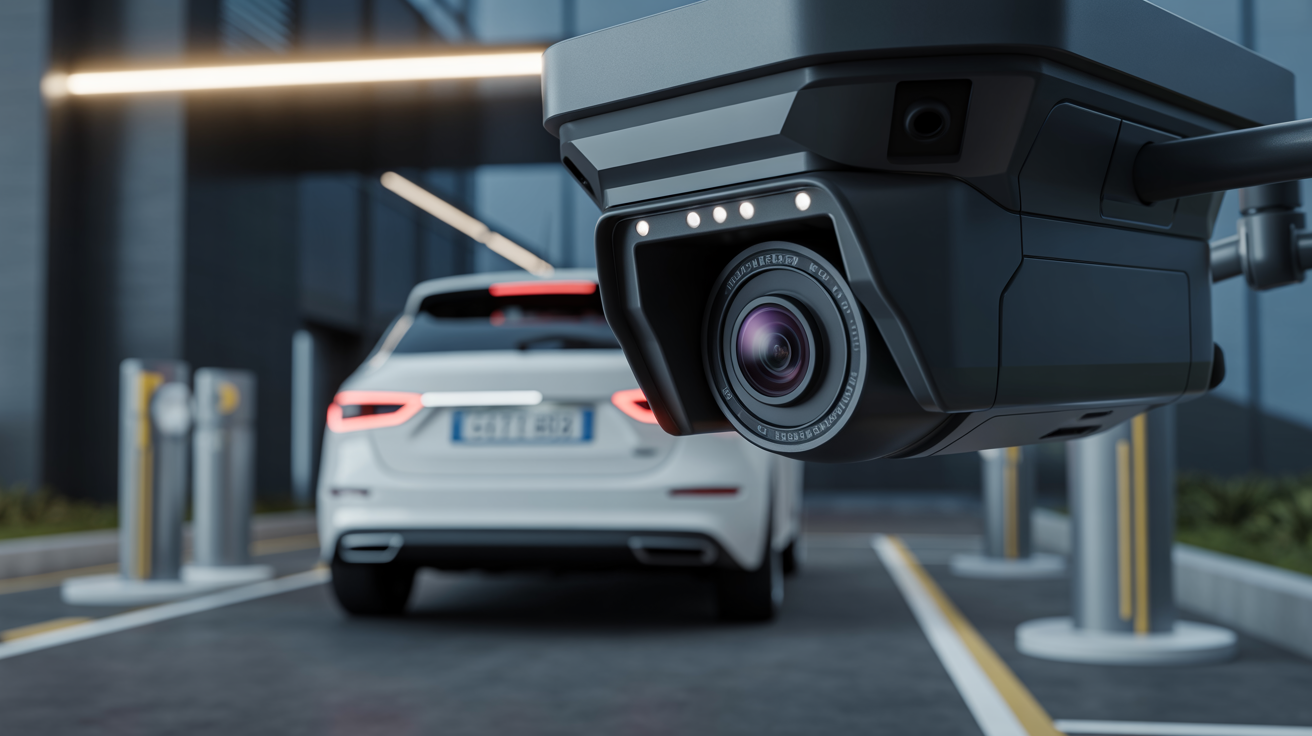
License Plate Recognition: Tracking and Managing Property Access
Understanding how LPR technology integrated with drone surveillance provides comprehensive vehicle tracking and access control for commercial properties.
License Plate Recognition (LPR) technology has become a critical component of modern property security. When integrated with autonomous drone surveillance, it creates a powerful system for vehicle tracking, access control, and incident investigation.
How LPR Technology Works:
Advanced cameras capture high-resolution images of license plates from multiple angles and lighting conditions. AI-powered optical character recognition (OCR) extracts plate numbers with 99%+ accuracy. The system checks plates against databases of authorized vehicles, visitors, and watch lists. All vehicle movements are logged with timestamps and GPS coordinates.
Key Applications:
1. Access Control
Automatically identify and log all vehicles entering or exiting your property. Grant or deny access based on pre-approved vehicle lists. Alert security teams to unauthorized vehicle attempts.
2. Visitor Management
Track contractor and vendor vehicles. Verify expected deliveries against actual arrivals. Maintain comprehensive visitor logs for security audits.
3. Theft Prevention
Identify suspicious vehicles repeatedly surveilling the property. Track stolen vehicles if they enter your premises. Provide law enforcement with detailed vehicle information.
4. Incident Investigation
Quickly identify vehicles present during security incidents. Generate timeline reports showing vehicle movements. Provide evidentiary documentation for insurance claims or legal proceedings.
5. Parking Enforcement
Monitor parking areas for unauthorized vehicles. Enforce reserved parking policies. Track vehicle duration in loading zones or time-limited areas.
Advantages of Drone-Based LPR:
Unlike fixed LPR cameras at gates, drone-mounted systems offer unique advantages:
Privacy and Compliance:
LPR systems must balance security with privacy considerations:
Implementation Best Practices:
1. Define clear objectives (access control, theft prevention, visitor management)
2. Create and maintain authorized vehicle databases
3. Establish alert protocols for different scenarios
4. Train security staff on system operation and alert response
5. Regularly audit system accuracy and update databases
6. Integrate with other security systems for comprehensive protection
Real-World Results:
Properties using LPR-equipped drone surveillance report:
License plate recognition transforms vehicle monitoring from a passive observation to an active security tool. Combined with autonomous drone surveillance, it provides unmatched visibility into who is accessing your property and when.
Ready to Secure Your Property?
Discover how Springfield Overwatch's AI-powered drone surveillance can transform your security operations.